Who it’s for
Mainly adults between 45 and 75, the age group most affected by major heart events. Many of them struggle to read small text on screens, and they told us they’d prefer a physical device at home over another phone app.
Coronary heart disease is the leading cause of death in the US, and everyone on our team had family members affected by heart disease. That’s how the project started.
Recovery is hardest for patients who live without a caregiver, or whose families don’t know how they’re doing. We wanted to make the months after surgery easier for them.
Process
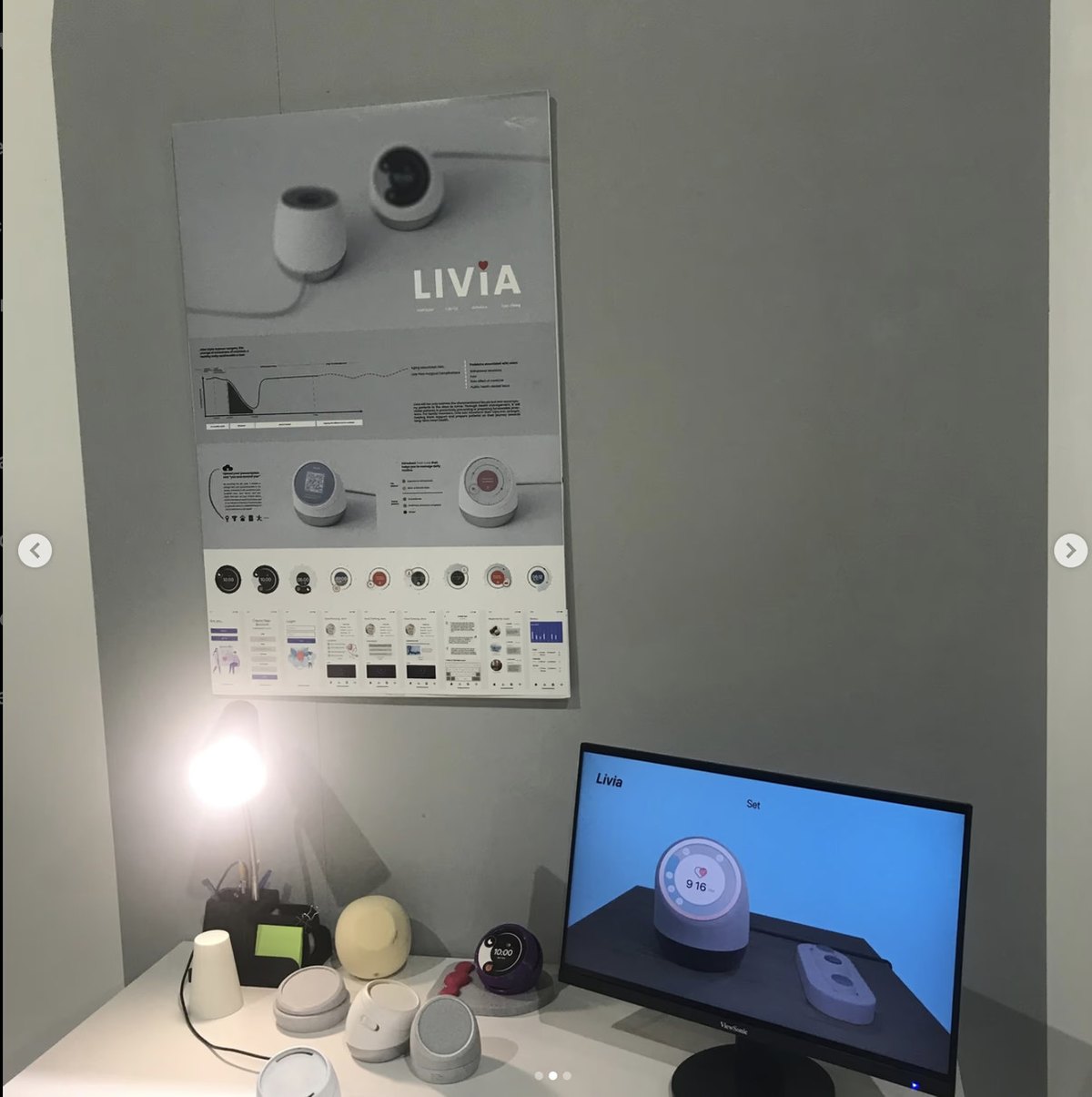
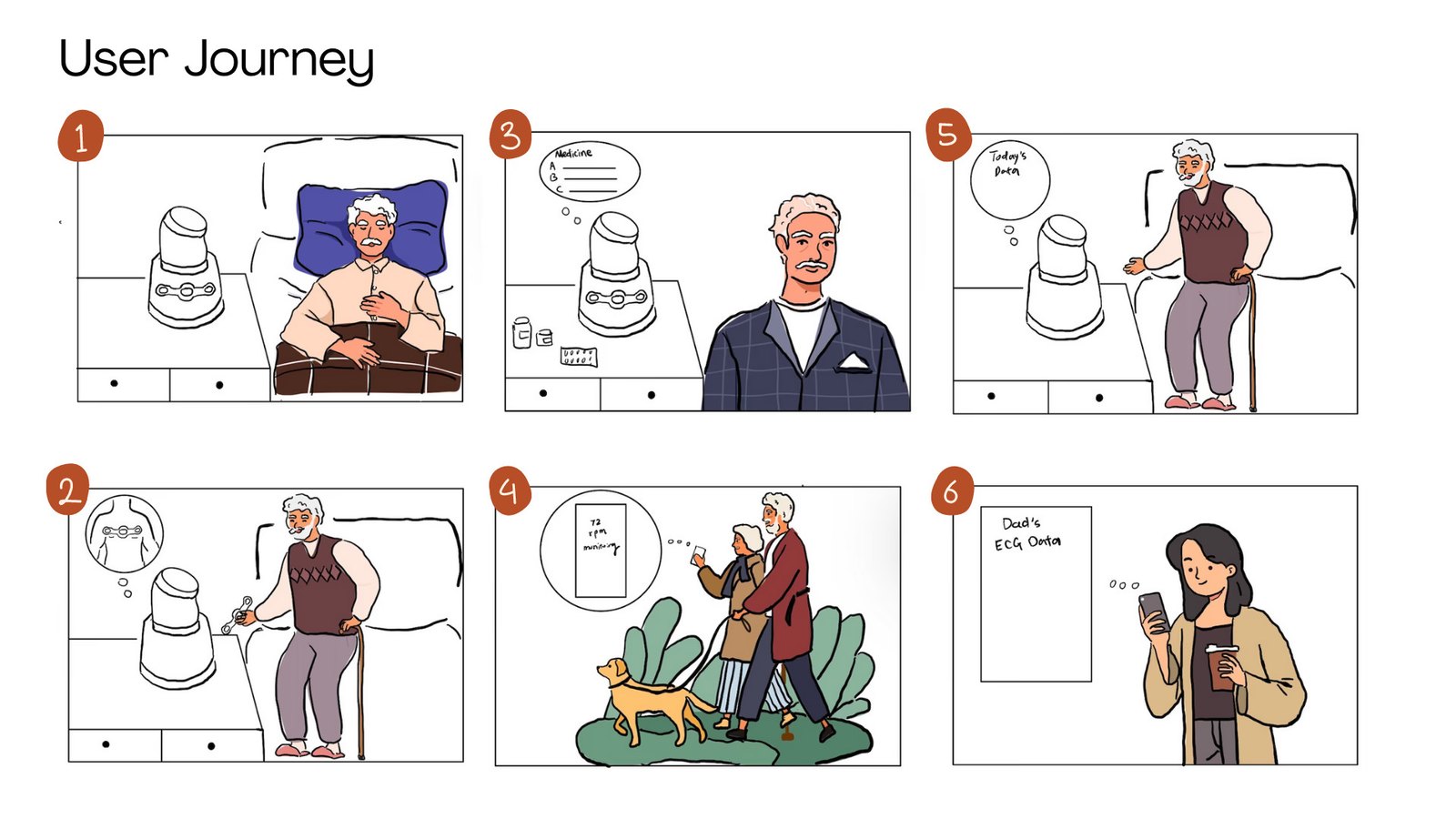
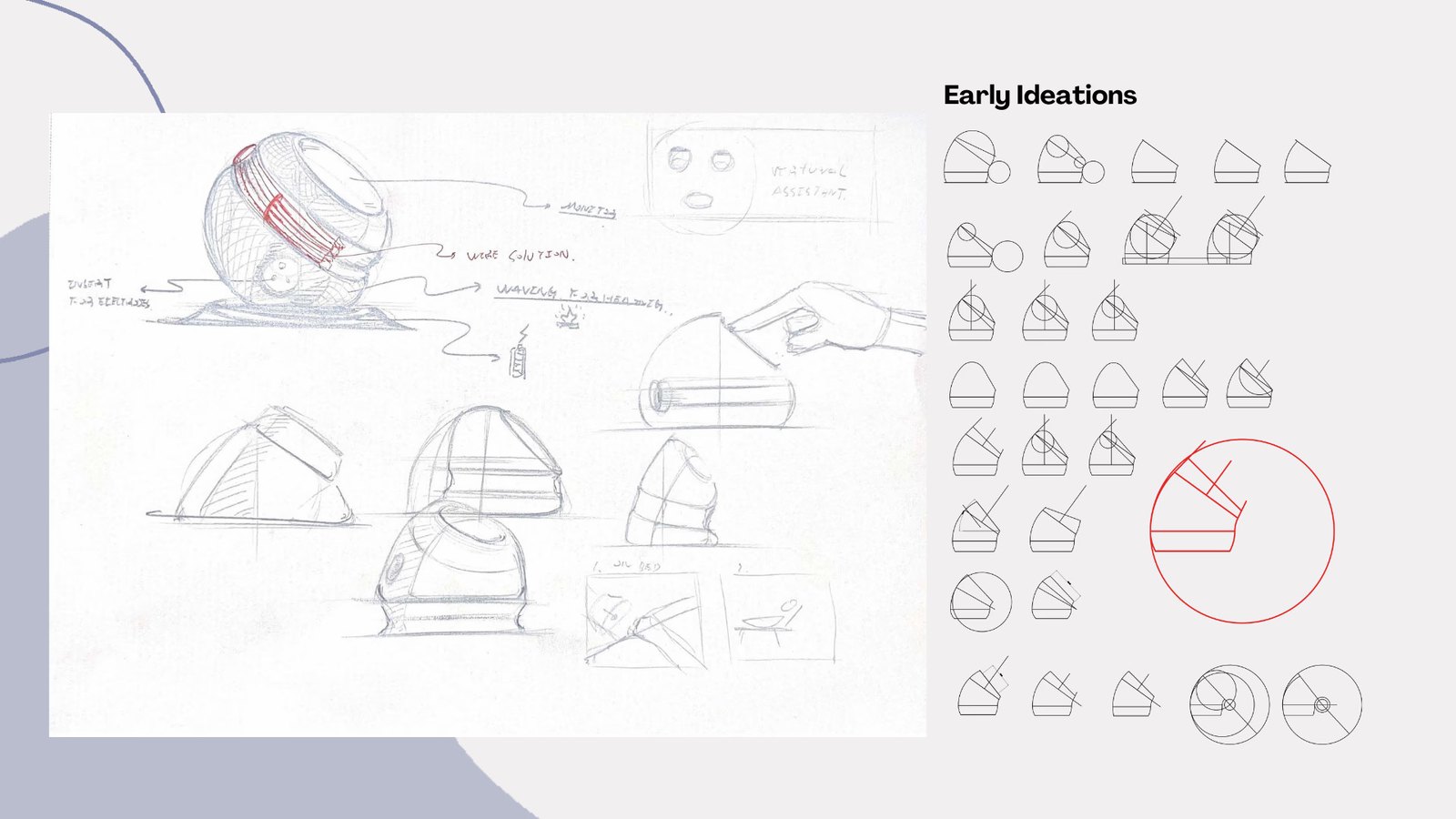
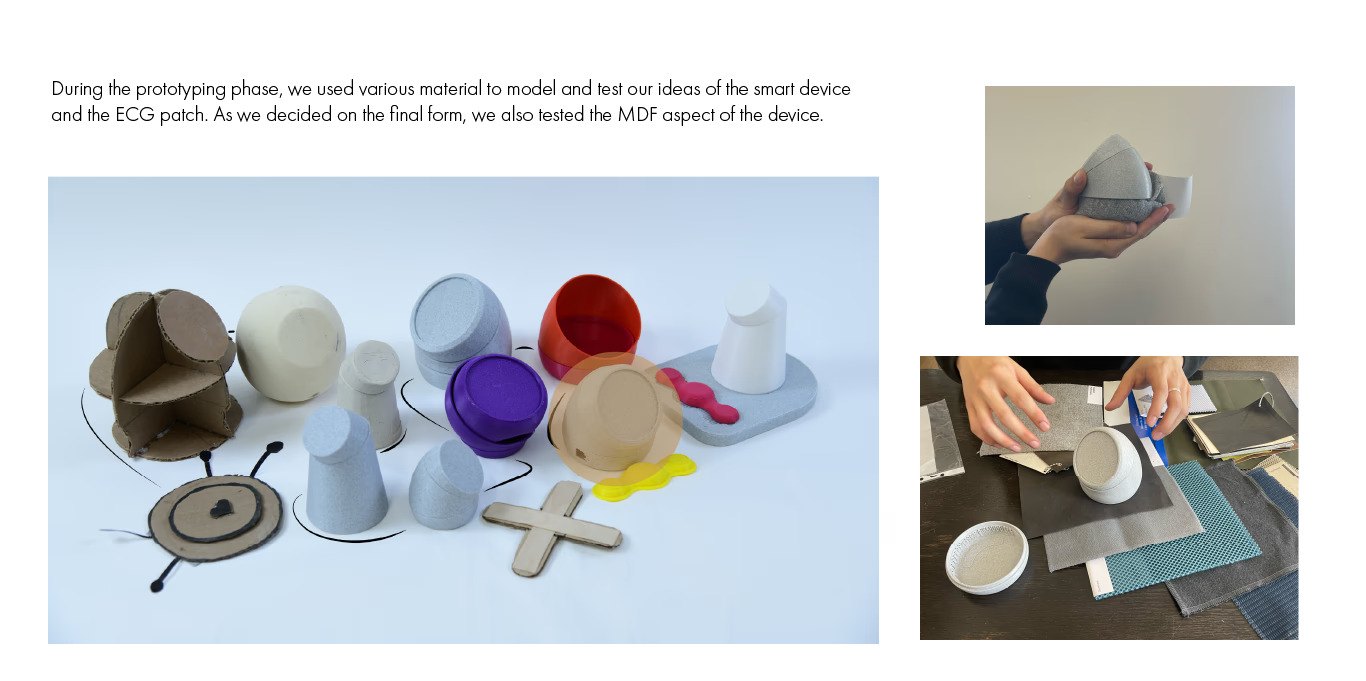
We mapped out a patient’s day after surgery and designed the device around it. Then we went through form iterations, refined the user journey, had several rounds of critique and talked to potential users before building a working prototype.
We made the systems map together with a patient, based on their daily schedule. It showed us how much surgery limits everyday life, which is why LIVIA became both a companion and a helper.
Key decisions
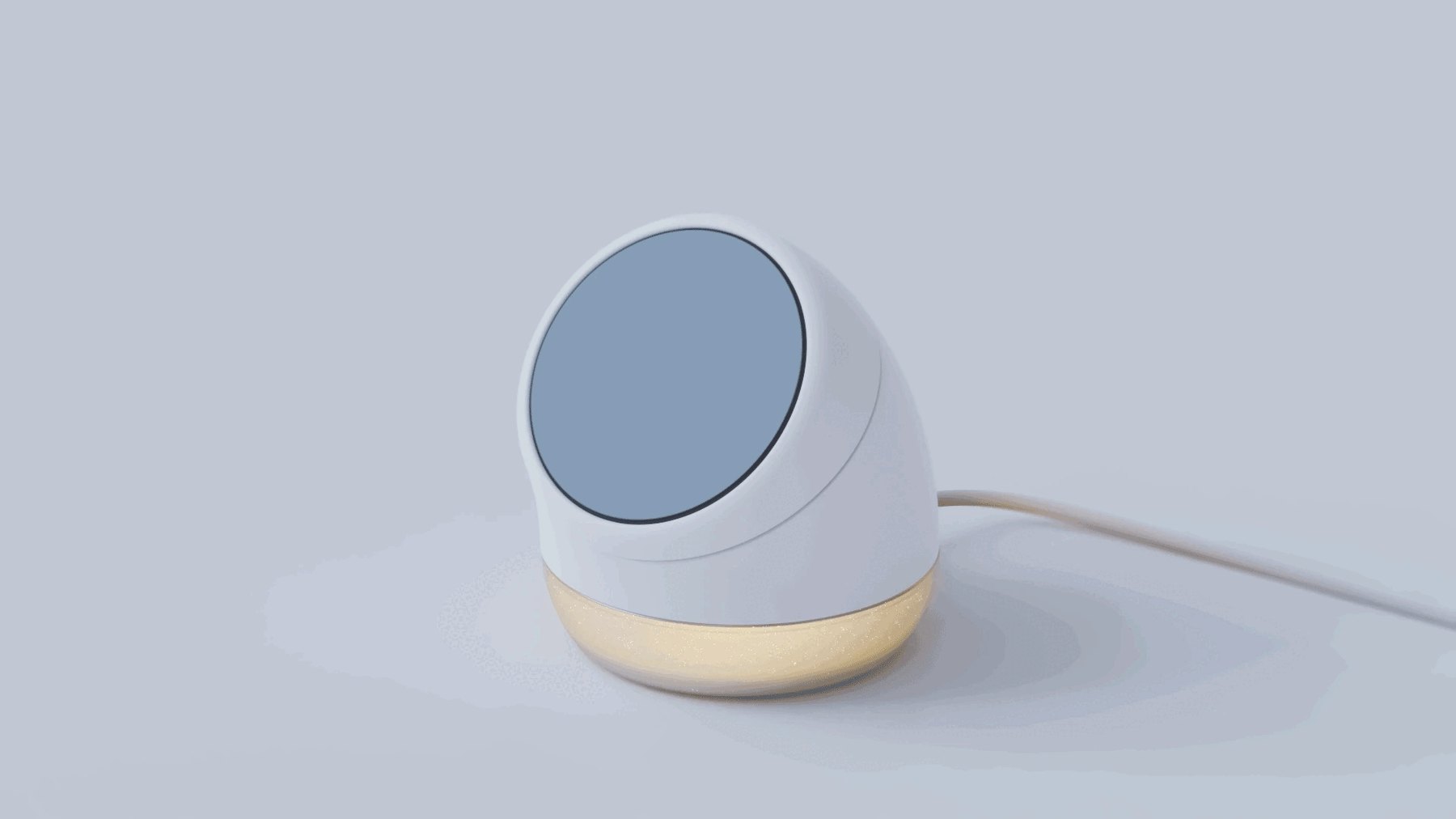
- A physical device with a built-in screen, since users preferred that over another phone app.
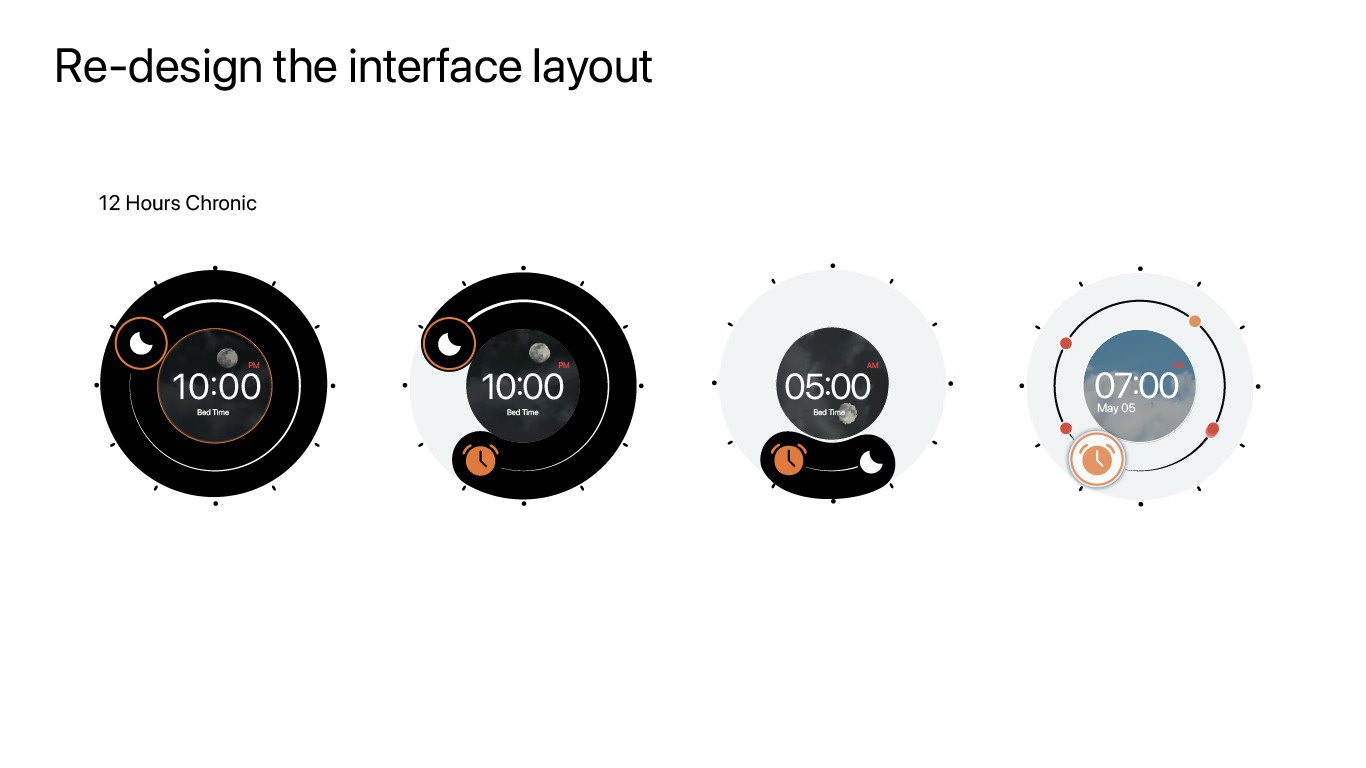
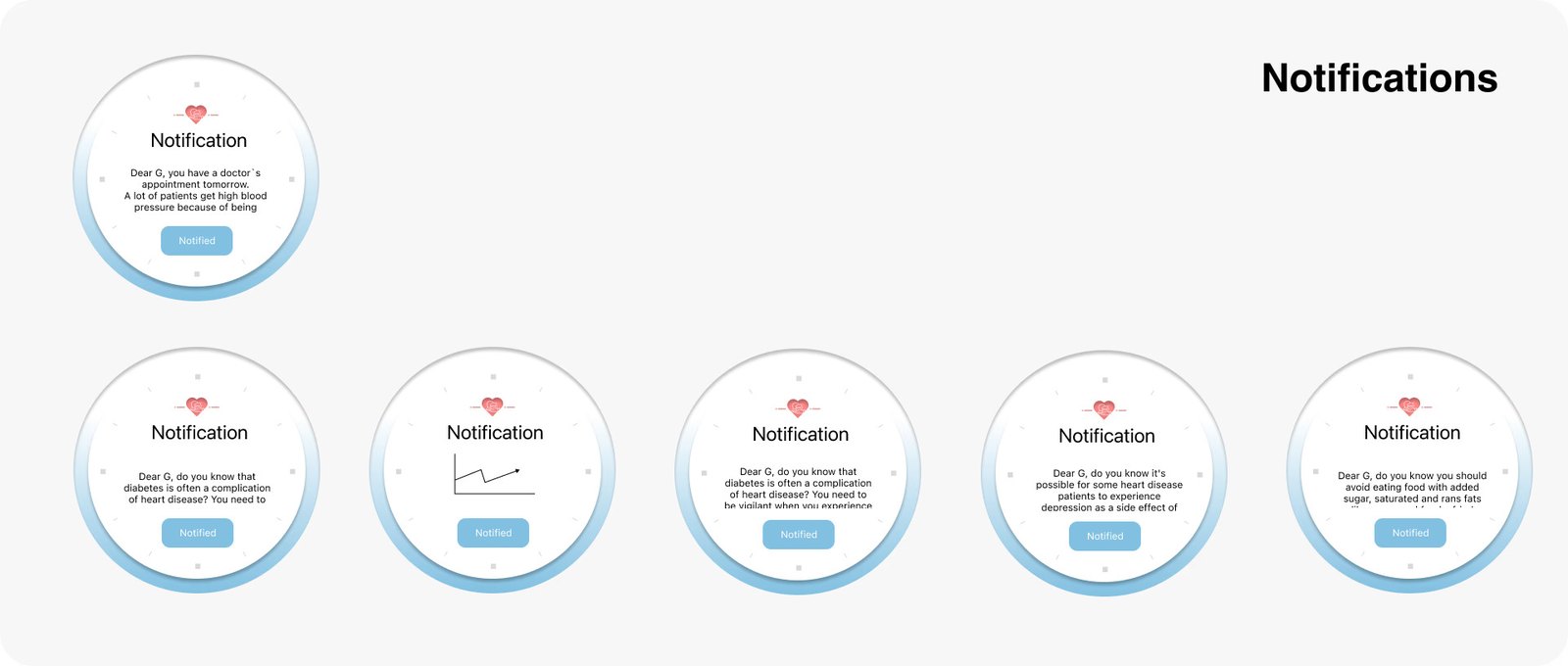
- Large text and high contrast across the interface, so it’s easy to read.
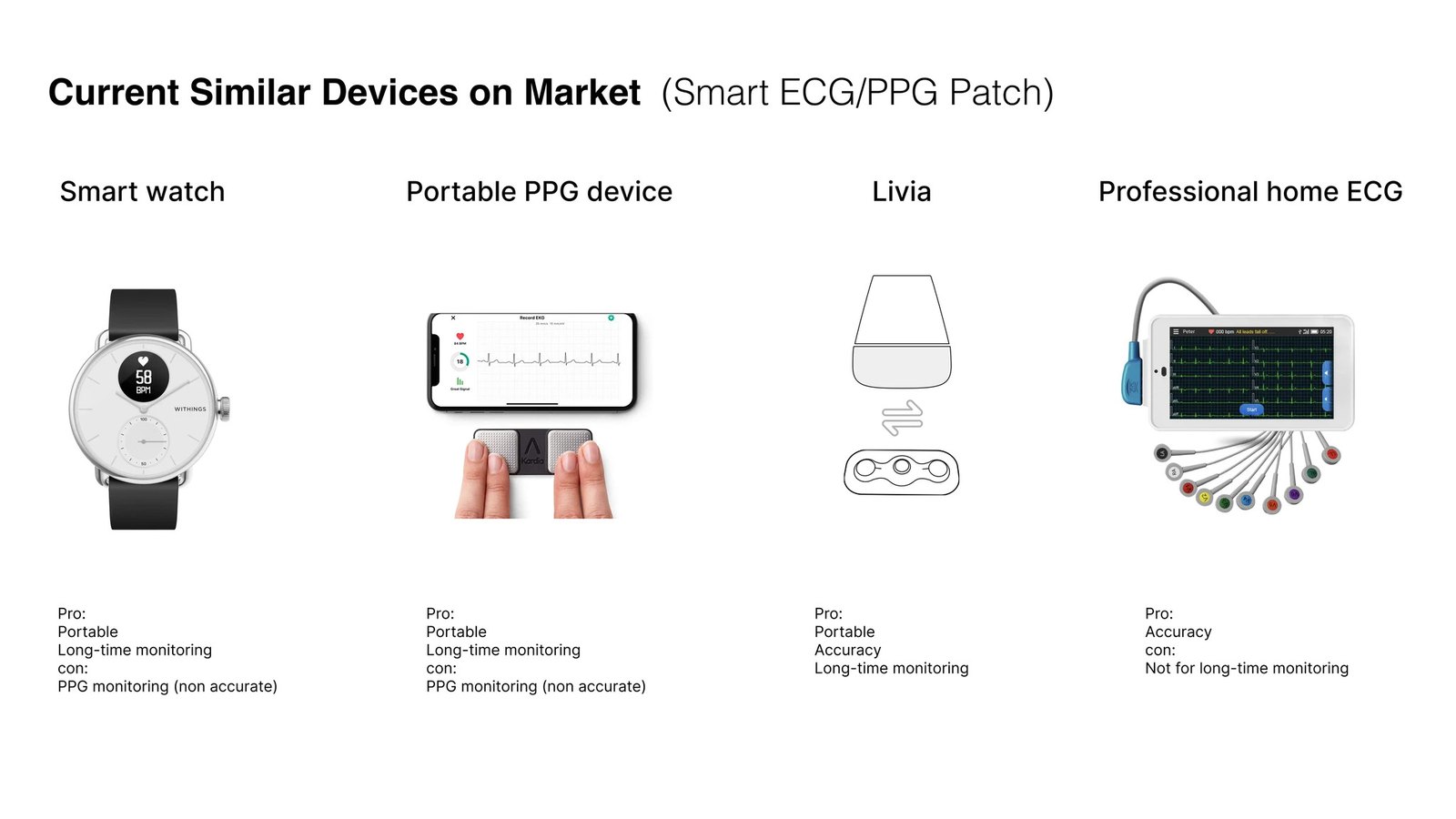
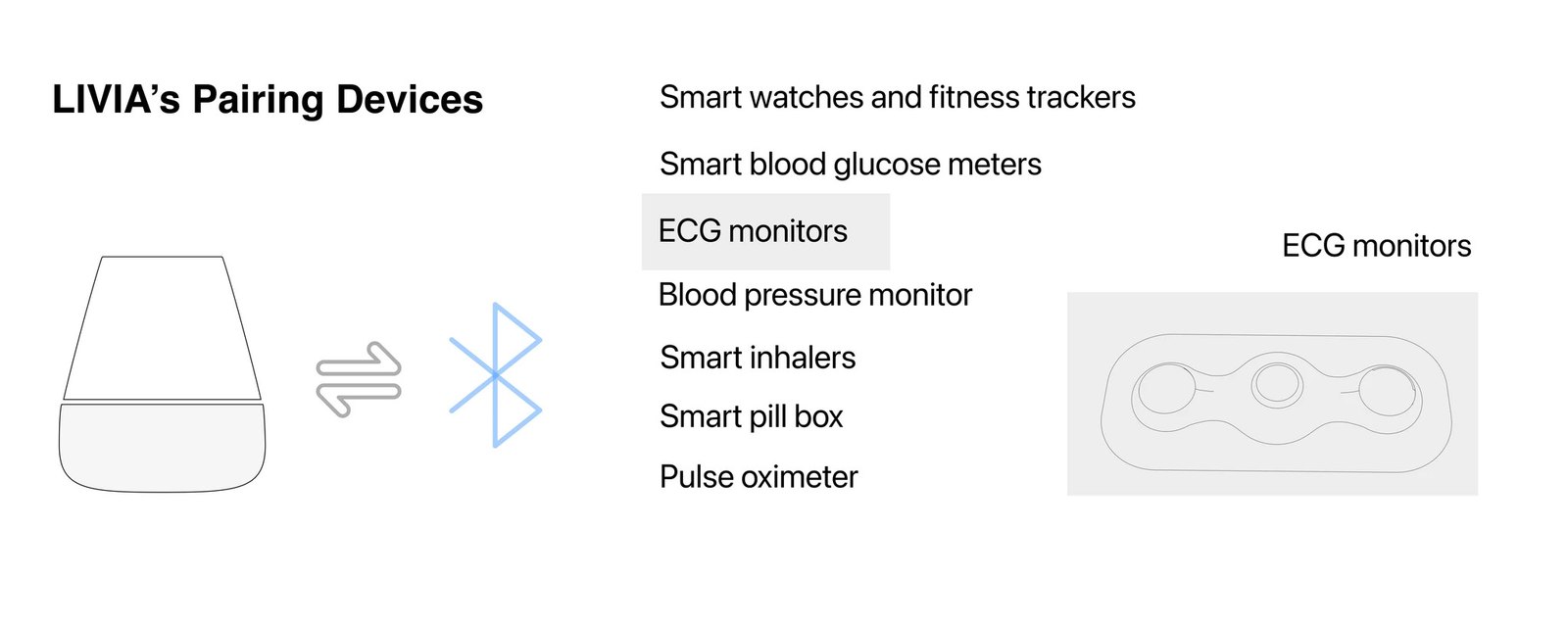
- Connects to other smart health devices, starting with an ECG monitor in the first version.
- Family stays in the loop, so they can follow the patient’s recovery even from far away.
The prototype
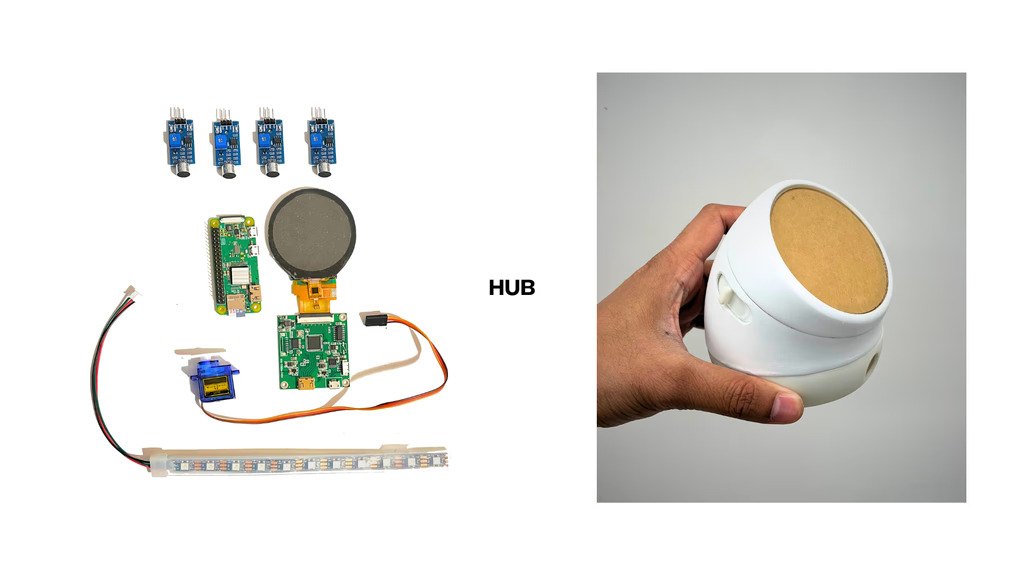
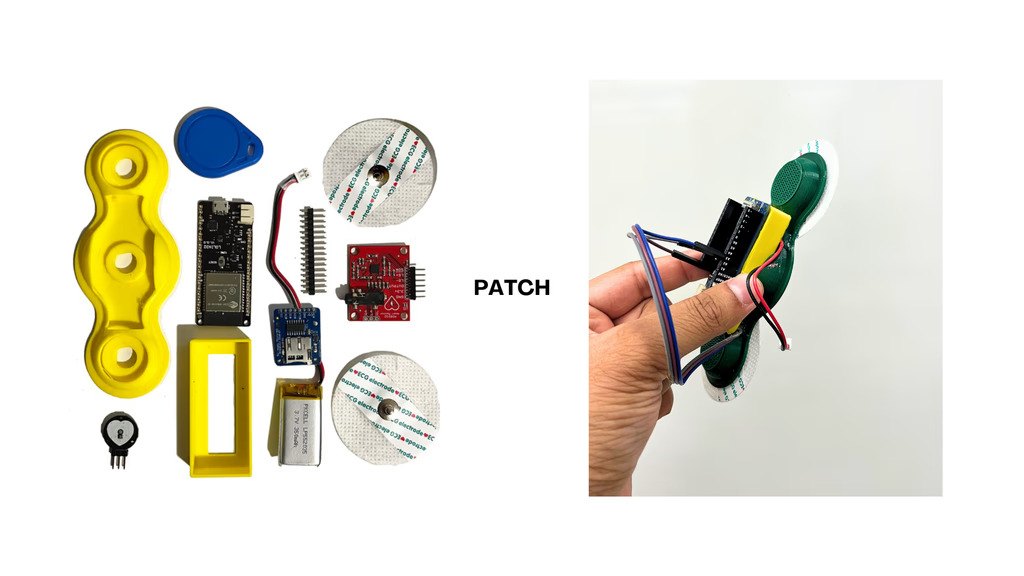
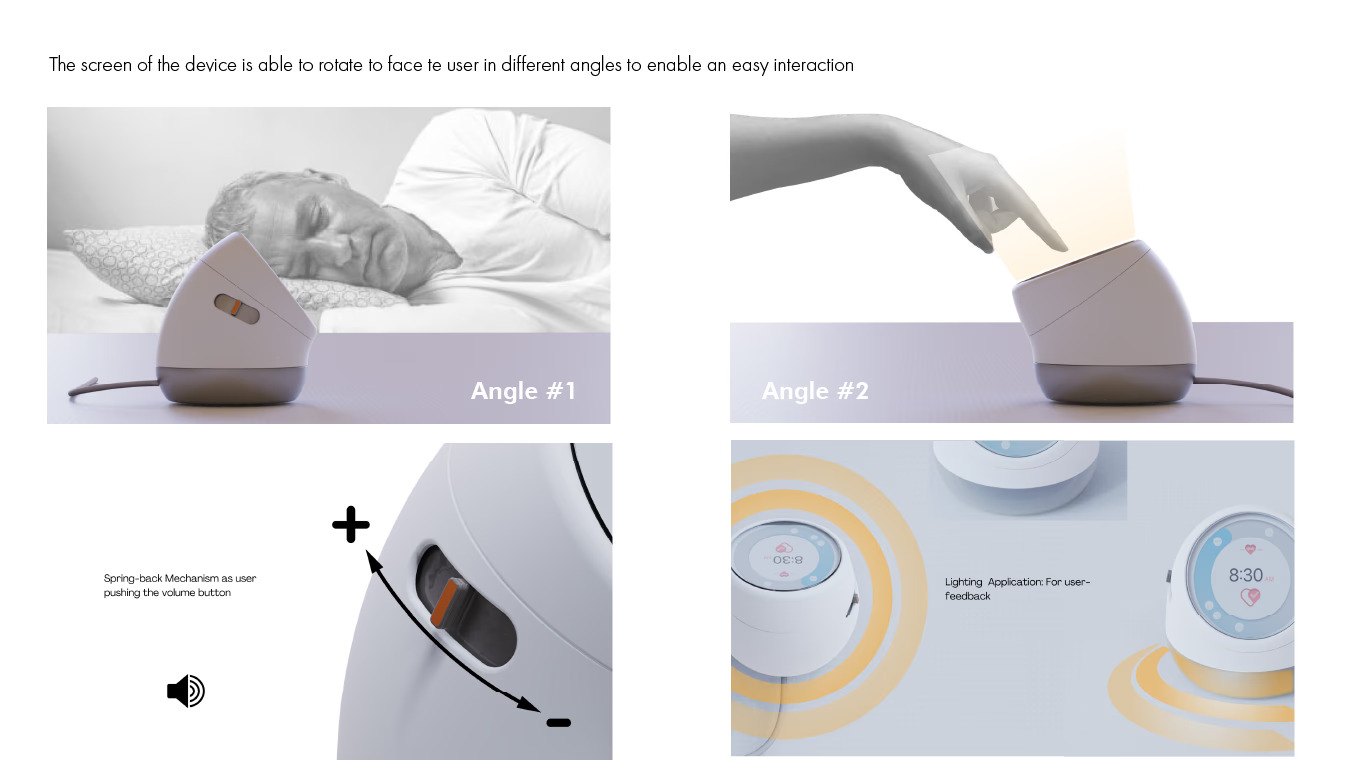
The working prototype ran on a Raspberry Pi with a 2.8-inch round display, LED strip lights, a servo motor for movement and ultrasonic sensors to detect when the patient is nearby. To test the connection, we paired an ECG patch with it and streamed pulse data in real time.